The Automotive Revolution: What Role Do Tube Benders Play?
Did you know that since the 18th-century Industrial Revolution, the global automotive industry has been undergoing a massive technological transformation? This shift is driven by several key factors: stricter government environmental regulations, higher consumer demands for safety and comfort, and the explosive growth of electric vehicle (EV) technology. Together, these trends are pushing automotive manufacturing toward "lightweighting, high performance, and high safety."
Why is lightweighting so important? Because it makes traditional fuel vehicles more fuel-efficient and allows EVs to travel farther! High performance ensures more powerful and efficient cooling systems, and safety, of course, is a fundamental rule of automotive design.
For example, to achieve lightweighting, modern cars are increasingly using high-tensile steel, aluminum, and magnesium alloys. Even solid stabilizer bars are being replaced with lighter but equally strong thick tubes. With Tesla leading the way, the rise of EVs has particularly boosted the demand for aluminum alloys, with projections showing a significant increase in demand for aluminum alloys by 2030.
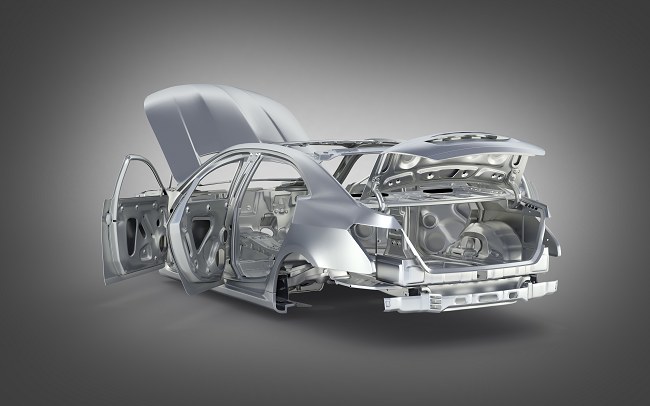
In modern automotive manufacturing, metal tubing accounts for a large portion of the components. From the vehicle body frame to various fluid delivery systems, the precision of the tube's shape and its structural integrity directly impact the vehicle's performance and safety. This is where tube benders become crucial! They can precisely bend metal tubes into various shapes, and the more advanced the technology, the more complex, lighter, and higher-performing tube components the automotive industry can produce.
The tube bending industry, by enhancing quality and precision, has a profound impact on achieving the goals of lightweighting, high performance, and high safety for the entire vehicle. The precision of the bends and the integrity of the structure are directly related to the vehicle's overall performance and safety. Even a minor flaw can compromise the entire system's integrity or efficiency. For example, during the bending of exhaust pipes, we pay special attention to the "thinning rate." This is because the tube wall stretches and thins during bending, and a thinning rate below 15% is generally considered acceptable. If this standard is exceeded, we must quickly adjust parameters, molds, or the pressure of the carriage. Therefore, tube benders are an indispensable and crucial part of driving innovation in the automotive industry!
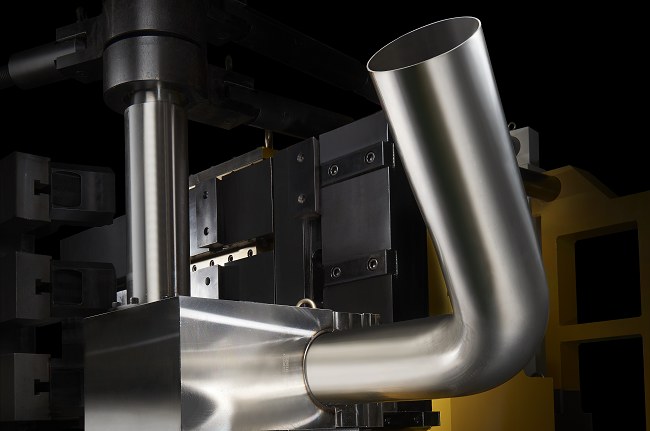
What Metal Tube Components Can Tube Benders Produce in the Automotive Industry?
A car is made up of tens of thousands of components, many of which are bent metal tubes that play an indispensable role in the vehicle's structure, powertrain, cooling, and safety systems. As automotive designs become more complex and lightweighting requirements increase, the demands for bending precision and material properties of these tubes are also rising. The application of tube benders in the automotive industry is extensive, covering everything from structural supports to fluid transfer components. Their precision and quality directly affect the vehicle's safety and performance.
Car Body and Chassis Structural Parts: From Frame to Impact Protection, Every Tube Matters!
- Seat Frames and Headrest Supports: These components are usually made of steel or aluminum tubes and require multiple bend points and complex geometric structures to ensure ergonomic design and enhance crash safety. Generally, the tube material is shaped (tube end forming) before bending. For the bending process, dual-direction tube benders (also known as left and right tube benders) are most commonly used in these applications because they can perform complex bends in both directions, meeting the needs of intricate shapes. In addition, extruded magnesium alloy tubes are being researched for use in rear seat frames to achieve further lightweighting.
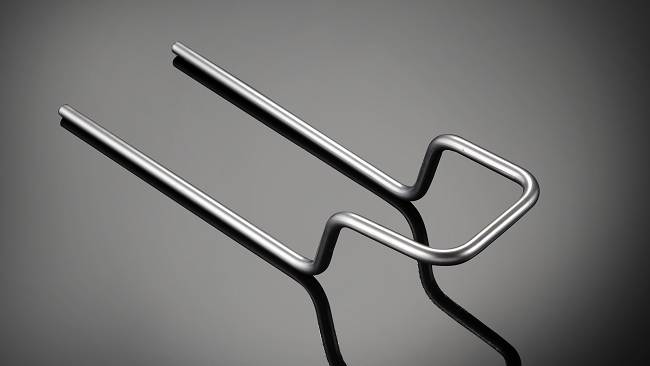
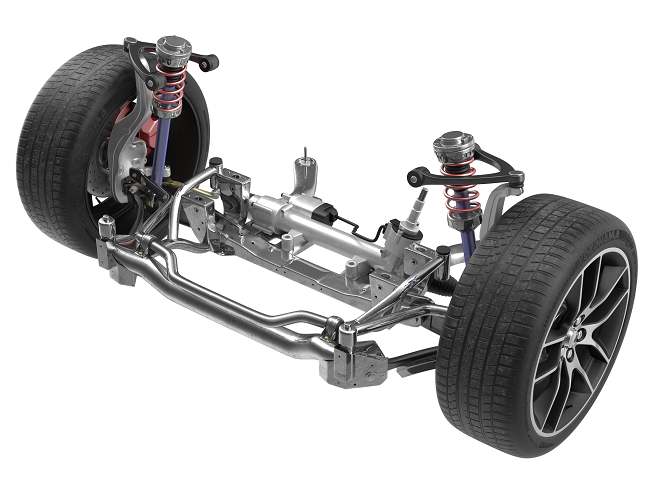
- Car Body Anti-Collision Structures, Stabilizer Bars, and Frames: With the trend of "the lighter, the better" in automotive lightweighting design, high-tensile steel and aluminum tubes are widely used in these critical safety components. They require extremely high bending precision and strength to effectively absorb energy during a collision and protect occupants. For example, the 7XXX series extruded aluminum profiles are increasingly used for bumper crash beams and door crash bars. Some Japanese cars also use aluminum alloy sheets for the hood and fenders. Magnesium alloy is also beginning to be applied to body systems, such as roof frames and subframes, to further promote lightweighting.
- Instrument Panel Crossbeams: Extruded magnesium alloy tubes can be bent to create lightweight instrument panel crossbeams. Compared to traditional steel dashboards made of welded steel plates, this can achieve a weight reduction of up to 60%.
Powertrain and Exhaust Systems: How Do Tube Benders Affect Engine Performance?
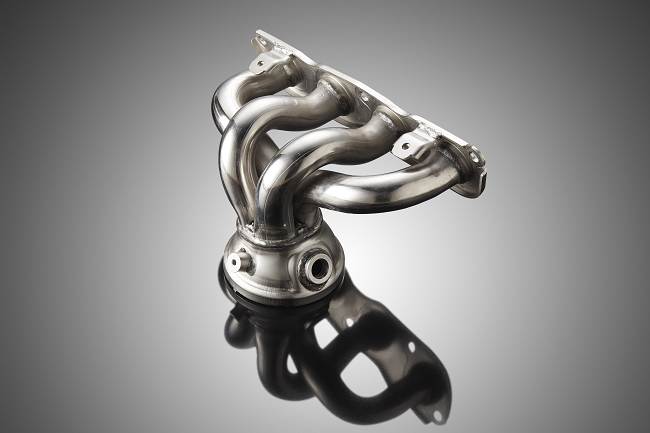
- Exhaust Pipe System: Exhaust pipes require a precise bending path to fit the vehicle's chassis space. At the same time, their bending design directly affects exhaust back pressure and, consequently, engine performance. The amount of exhaust resistance is closely related to factors such as the design angle of the header, the diameter of the mid-pipe and tailpipe, the total length, and the bending angles. Too little exhaust back pressure can lead to a loss of power at low engine speeds, while excessive bending can increase airflow resistance, affecting power output at high speeds. Therefore, the smoothness of the bends and the consistency of the pipe diameter are crucial for reducing airflow resistance and achieving a balance in engine performance.
Cooling and Air Conditioning Systems: The Critical Role of Tube Benders in Thermal Design
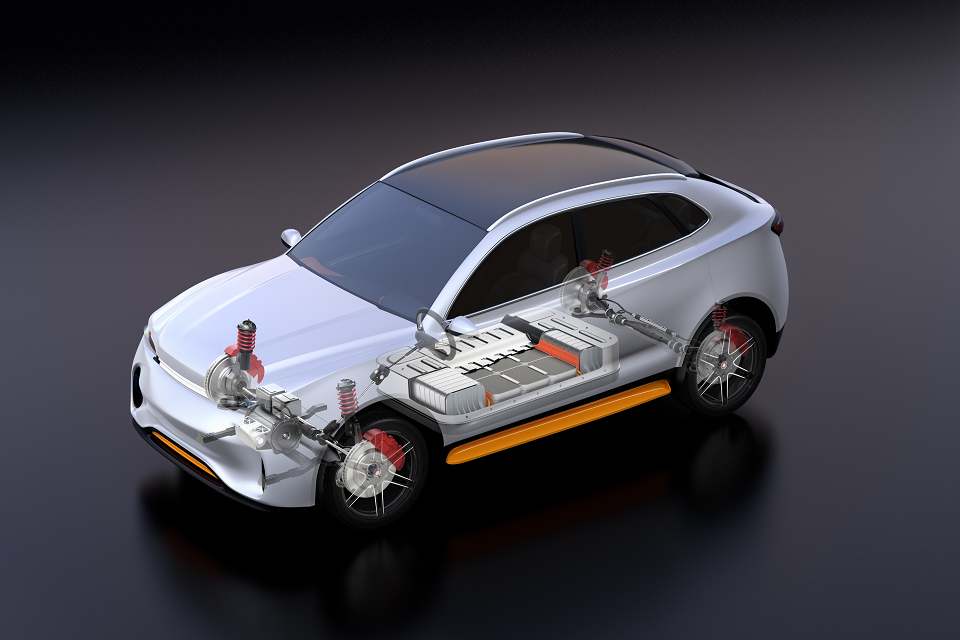
With the widespread adoption of electric vehicles, the requirements for automotive cooling systems have become higher and more precise. These unseen tubes are like the vehicle's blood vessels, affecting the lifespan and performance of the battery and motor.
- Battery Cooling Tubes: It's not just about bending; stable fluid velocity is key to cooling efficiency. The battery modules and electric drive systems of EVs have extremely high demands for thermal control. These cooling tubes not only have complex paths and limited space, but also need to ensure a stable and efficient flow of coolant and smooth bends to prevent overheating or uneven cooling.
- HVAC Tubing and Heat Exchangers: Is your A/C cold enough? Tube bending plays a part! In addition to battery thermal management, traditional car air conditioning systems (HVAC) also require a large number of thin tubes to circulate refrigerant or coolant for heat exchange. These tubes are usually made of aluminum or copper and require precise bending in confined spaces to ensure airtightness, pressure resistance, and heat transfer efficiency.
Other Applications
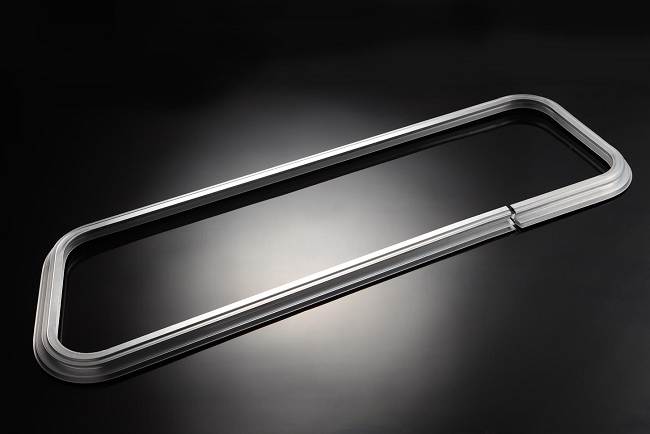
- Sunroof Frames and Rails: Every smooth slide comes from a precise bend. The sunroof rail system, while seeming simple, involves complex mechanical design and tube bending technology. These rail structures are mostly made of aluminum tubing and must be bent with high precision to ensure the sunroof opens and closes smoothly without getting stuck, making noise, or deforming, ensuring a comfortable and high-quality driving experience.
In every tube of a car, it's not just about the external dimensions and the correct bending angle; more importantly, the internal integrity must be maintained. For applications like EV cooling systems or exhaust systems, fluid or airflow efficiency is highly sensitive. If the tube deforms, the inner wall wrinkles, or the wall thickness becomes uneven during the tube bending process, it can lead to increased resistance, reduced performance, or even affect durability.
This is why choosing the right type of tube benders (such as an all-electric CNC tube benders, dual-direction tube benders, or a hybrid tube benders) and pairing it with the appropriate molds and operating conditions is so important. To ensure a car runs fast, cools effectively, and exhausts smoothly, the precision and quality of every single tube must be perfect.
Technical Requirements and Challenges in Automotive Tube Production
The production of automotive tubes has extremely high technical requirements. It must not only meet strict geometric precision but also ensure long-term stable operation in complex vehicle environments. This presents multiple challenges for tube bending, especially in terms of material properties, bending complexity, and defect control.
Material Properties and Tube Bending Challenges
(1) Aluminum, Spring Steel, and High-Tensile Steel Tubes: Bending and forming challenges in the era of lightweighting. Automotive lightweighting is a core industry trend, and aluminum alloys and high-tensile steel are key materials for achieving this goal. However, these materials present unique challenges during bending:
- Springback: High-strength materials tend to "spring back" after bending, resulting in a different angle than intended. This requires precise compensation algorithms to overcome.
- Wrinkling and Cracking: Thin-walled aluminum and high-tensile steel tubes are prone to wrinkling on the inner bend and thinning or cracking on the outer bend, especially with small bend radii (1D bends). This demands optimized mold design, internal support (such as mandrels), and precise pressure control.
(2) Magnesium Alloy Tubes: Considering oxidation, forming difficulties, corrosion resistance, and joining technology. Magnesium alloys are the lightest automotive structural material and are widely used in high-end vehicles. However, they are difficult to process. They are prone to oxidation and burning, difficult to form, have poor strength and plasticity, and are susceptible to corrosion. Bending may require heated assistance (e.g., 350-400°C) to reduce deformation resistance and control cross-sectional ovality and wall thinning.
(3) Carbon Fiber Composite Tubes: Forming processes and application potential for new lightweight materials. Carbon fiber reinforced polymer (CFRP) has extremely high specific strength and stiffness, making it an important direction for future automotive lightweighting. The forming of CFRP tubes is fundamentally different from the plastic bending of metal tubes, involving prepreg layup, curing, and mold design.
Bending Complexity and Precision Requirements
Modern automotive tubes often require complex geometries in limited space. This demands tube benders with multi-axis control and dual-direction bending capabilities. The automotive industry has extremely high demands for component consistency and reliability. High-end tube benders must achieve a bending precision of ±0.05°, a rotation angle precision of ±0.05°, and a feeding precision of ±0.05 mm.
Common Bending Defects and Solutions
Common quality defects during tube bending include ovality, wall thinning (exceeding 15%), wrinkling, cracking, and springback. Solutions include using mandrels, fillers, or local heating for high-strength materials.
How Tube Bending Technology Meets Automotive Industry Demands
To address the strict demands of the automotive industry for high precision, complexity, efficiency, and lightweighting, tube bending technology is continuously evolving, with the deep integration of smart manufacturing elements.
Application and Advantages of Different Tube Bending Machines
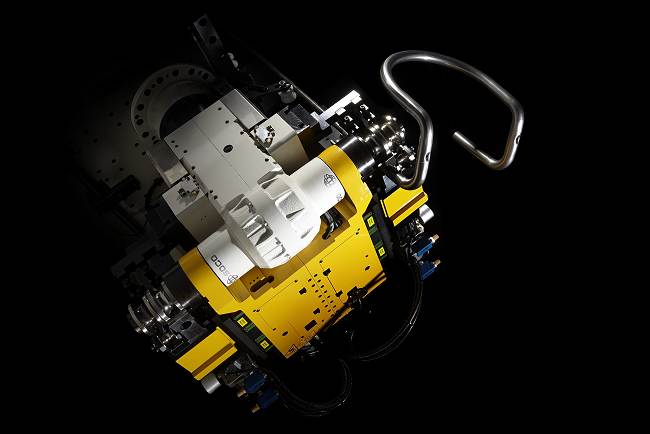
- All-Electric Tube Bender: High precision, high efficiency, and energy-saving, as a core driver of smart manufacturing. All-electric tube benders use multi-axis servo motors, achieving bending precision of ±0.05°, and feeding precision of ±0.05 mm. This makes them the first choice for high-precision industries like aerospace, medical equipment, and automotive exhaust systems.
- Dual-Direction Tube Bender: These machines have a unique advantage in handling complex shapes and multi-bend-point tubes. They can perform complex bends in both the left and right directions, making them especially suitable for parts like car seat frames, car frames, and stabilizer bars.
- Hybrid and Hydraulic Tube Benders: Considering cost and force in specific applications. Hybrid machines balance cost and performance with a bending precision of about ±0.1°. Hydraulic machines are traditional and suitable for heavy, large-diameter tube processing, offering a cost advantage in heavy industry.
Application of Smart Manufacturing Elements in Tube Bending Production
The new generation of tube benders is no longer just simple mechanical equipment but integrates various smart manufacturing elements to achieve a trend from passive maintenance to proactive optimization, error-proofing, and automatic compensation.
- Industrial Internet of Things (IIoT) and Automated Scheduling: Realizing seamless connection and efficient operation of the production line. Tube benders are linked to a client's MES/ERP/SCADA system through digital work order software, enabling remote production command reception, automated scheduling, and data feedback.
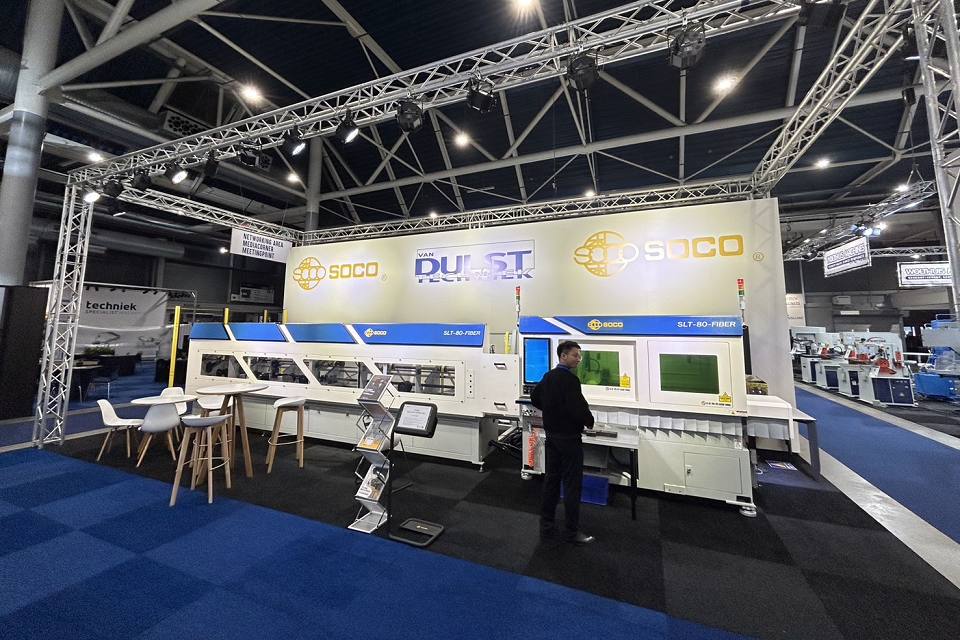
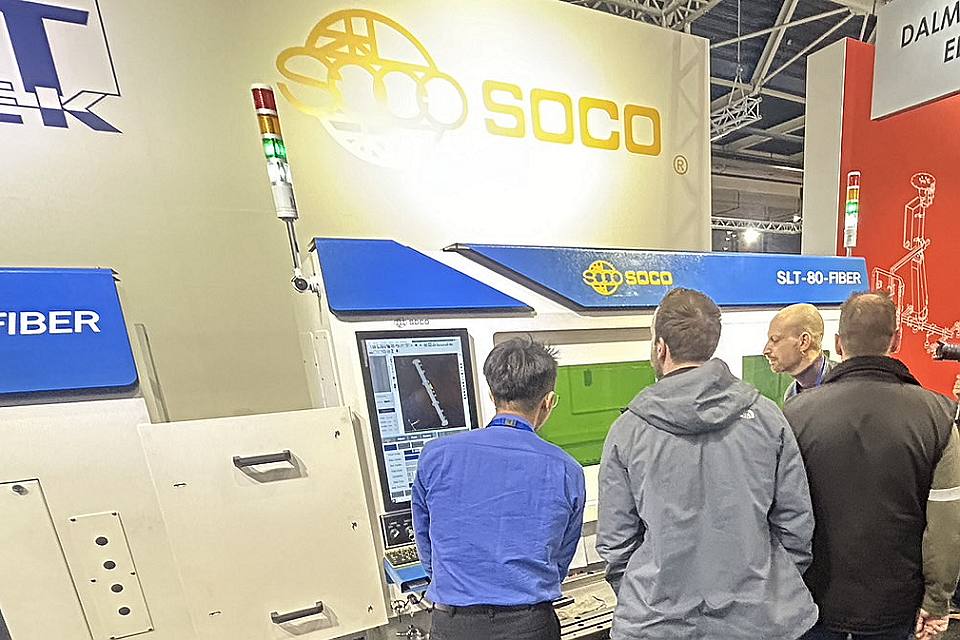
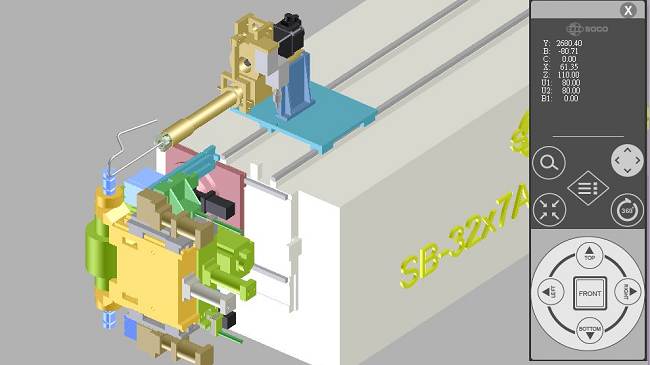
- Cyber-Physical Systems (CPS) and 3D Simulation (Digital Twin): Pre-production rehearsals, collision analysis, and process optimization. Built-in bending simulation software (such as SOCO's i2 software) and CAM production path programming systems allow operators to preview bending trajectories and analyze collisions before processing.
- Sensors and Data Analytics: Real-time quality monitoring, automatic error compensation, and process parameter correction. Multi-axis force feedback software can report production data and the status of each servo axis. Combined with external automated measuring equipment (such as AICON TubeInspect), it can inspect the dimensions of the bent tube and feed the values back to the bending equipment for automated error compensation.
- Artificial Intelligence (AI) Learning and Predictive Maintenance: Enhancing equipment's self-adaptive ability, reducing downtime, and optimizing production efficiency. AI analyzes bending parameters and production data to achieve automatic compensation (e.g., real-time adjustment for springback), self-learning adjustments, and predictive maintenance.
Future Trends: Electric Vehicles and Smart Bending Technology
EVs are here, and tube benders must upgrade!
The dual challenge of lightweight structures and cooling systems. With the rapid rise of EVs, automotive manufacturing technology is being reshuffled. Compared to traditional fuel vehicles, EVs have stricter requirements for range, power efficiency, and body weight, which presents new challenges for tube bending technology.
First, to achieve "lightweight body design," car manufacturers are increasingly using high-strength, hard-to-form materials like aluminum alloys, spring steel, and high-tensile steel. This requires tube benders to have stronger force and higher precision control, while maintaining structural integrity after bending, without compromising the material's strength.
Second, there is the challenge of cooling systems. The batteries and motors in EVs generate a lot of heat during operation. If this heat cannot be dissipated in time, it will not only affect performance but also cause damage. This has made the design of the cooling tubing system in the car more and more complex, requiring a very precise and compact layout, and ensuring that the fluid flow efficiency inside the tubes is not affected.
The future of tube bending technology is no longer just "machine upgrades" but a key role within a complete smart manufacturing system. AI learning and Digital Twin technology will completely change the way tube bending is produced.
- AI Smart Learning: Tube benders will "learn by themselves" and "compensate automatically."
- Digital Twin: Simulate first, then produce. Solve problems early.
- Sensors + Big Data Analytics: Real-time correction and uncompromised quality.
Conclusion
The application of tube benders in the automotive industry has evolved from traditional mechanical processing to a highly precise and intelligent manufacturing process. The relentless pursuit of lightweighting, high performance, and high safety in the automotive industry, especially with the rapid development of electric vehicles, has presented tube bending technology with unprecedented challenges and opportunities.
This article has analyzed various key tube components in the automotive industry, from seat frames and anti-collision structures to exhaust systems and EV cooling tubes. These components not only require extremely high geometric precision but also require the bending process to ensure material strength, uniform wall thickness, and fluid/airflow efficiency. In the face of new lightweight materials such as aluminum, high-tensile steel, magnesium alloys, and even carbon fiber composites, tube bending processing faces complex challenges such as springback, wrinkling, cracking, and oxidation. This means that traditional rules of thumb are no longer sufficient, and a shift to data-driven, precise control is necessary.
All-electric tube benders, with their excellent precision, efficiency, and energy-saving characteristics, have become a core technology for meeting the stringent demands of the automotive industry, especially for high-precision and automated production.
Dual-direction tube benders (Left and Right Tube Benders) show a unique advantage in handling complex multi-bend-point tubes.
More importantly, the deep integration of smart manufacturing elements is completely revolutionizing tube bending production. IIoT enables seamless connection and automated scheduling of the production line; Digital Twin technology significantly reduces trial and error costs and production risks through virtual simulation; and sensors and big data analytics give tube benders the ability to perform real-time quality monitoring and automated error compensation.
Looking ahead, AI learning and predictive maintenance will give tube benders the intelligence to self-optimize and self-adjust, leading to more efficient, reliable, and flexible production. Data will become the key driver for the continuous advancement of tube bending technology. By deeply analyzing production data, manufacturers can transition from passive maintenance to proactive optimization, ensuring the highest equipment uptime and excellent product quality.
In summary, the choice and application of a tube bender is no longer just an equipment investment but a strategic deployment for the intelligent and digital transformation of the entire automotive manufacturing production line. A deep understanding of the technical characteristics of tube benders, their application scope, and their integration with smart manufacturing elements is the key for automotive manufacturers to gain a leading position in future competition.